
My Endometriosis Journey: From Decades of Symptoms to Stage 4 Diagnosis, Expert Excision Surgery and Recovery
The Early Years- losing trust in my body
Looking back from where I sit today, I think endometriosis was part of my story for much longer than I realized.
As a teenager, I had painful periods and significant GI issues that interfered with my school attendance and regularly left me doubled over after dinner. I was shuffled from doctor to doctor without many answers and, like so many people, repeatedly told that painful periods were ‘normal’.
Somewhere in those early years, I started learning not to fully trust what my body was telling me. I became good at minimizing symptoms, pushing through them, and convincing myself that maybe this was just how my body worked.
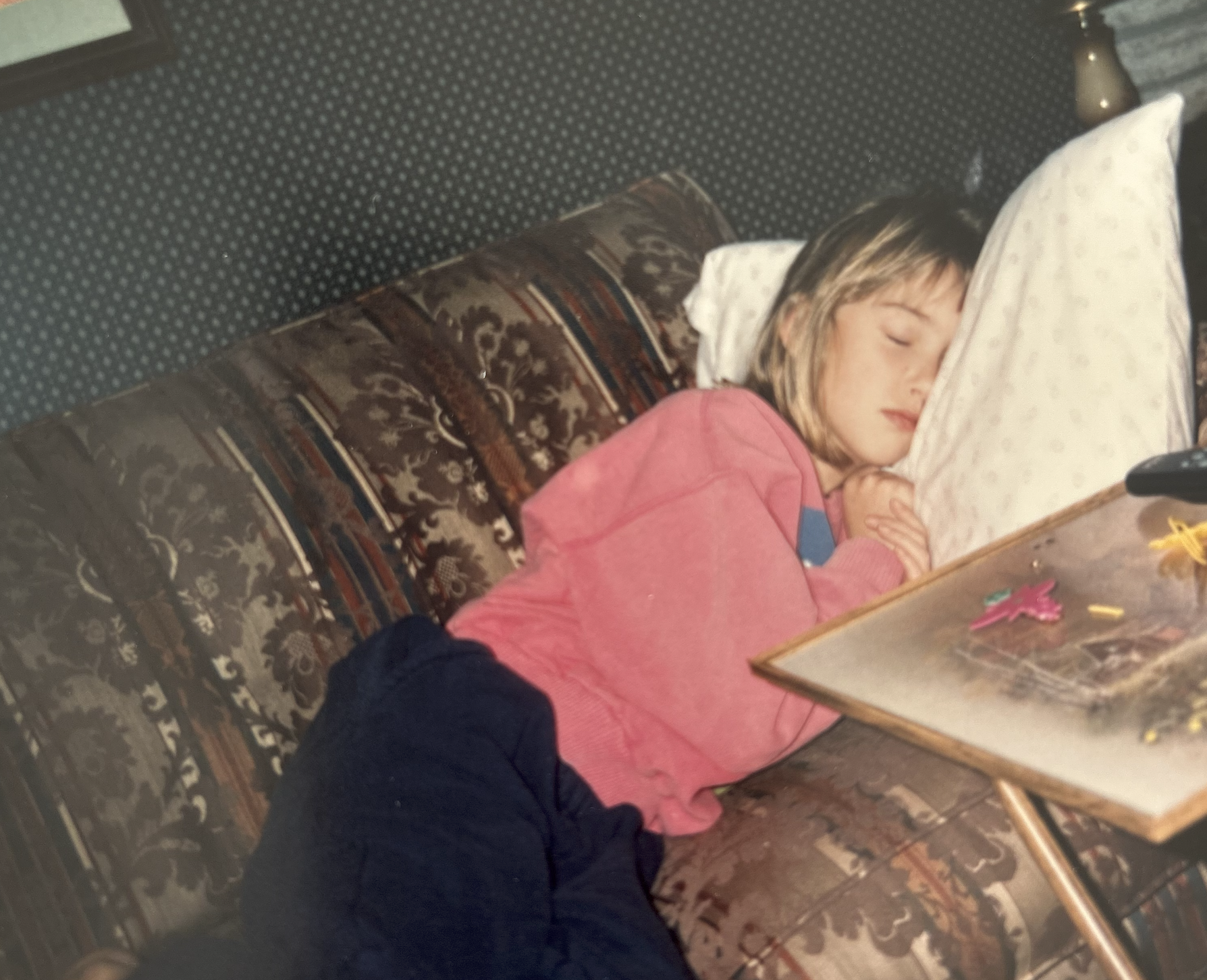
Over the years, I found ways to manage pieces of it. Going gluten-free and limiting dairy helped significantly with my GI symptoms. I tried different forms of hormonal birth control (you name it, I’ve tried it) but always ended up stopping because the side effects were often too awful to deal with. I took Advil, Tylenol, or Midol through most periods because I was made to believe that’s just what everyone did. It all kind of helped, but I never actually had a day of relief.
Endometriosis was never once a part of the conversation.
Medical uncertainly: I questioned myself before the explanations
Over two decades later, in 2019 things started to become less manageable, symptoms were worsening, more unrelenting and intuitively knew there was something more significant going on. I was now missing work because of constant pain, cramping, and GI symptoms, and it no longer felt reasonable for anyone to keep calling all of it “normal.” I advocated for a pelvic ultrasound, which ultimately showed two very large ovarian cysts.
What surprised me even more was learning that cysts had actually been visible on imaging from several years earlier, but I had never been told about them… (sigh)
I was referred to a gynecologist and still without any conversation of endometriosis, I had an ablation surgery in December 2020 to remove the cysts. I certainly didn’t understand what I was getting myself into with that surgery- and in retrospect wish I hadn’t gone through with it until I understood more. Hindsight is always 20/20.
For a month or two, I did feel better post-op but within six months, the pain, cramps and bowel symptoms returned, maybe even worse than before.
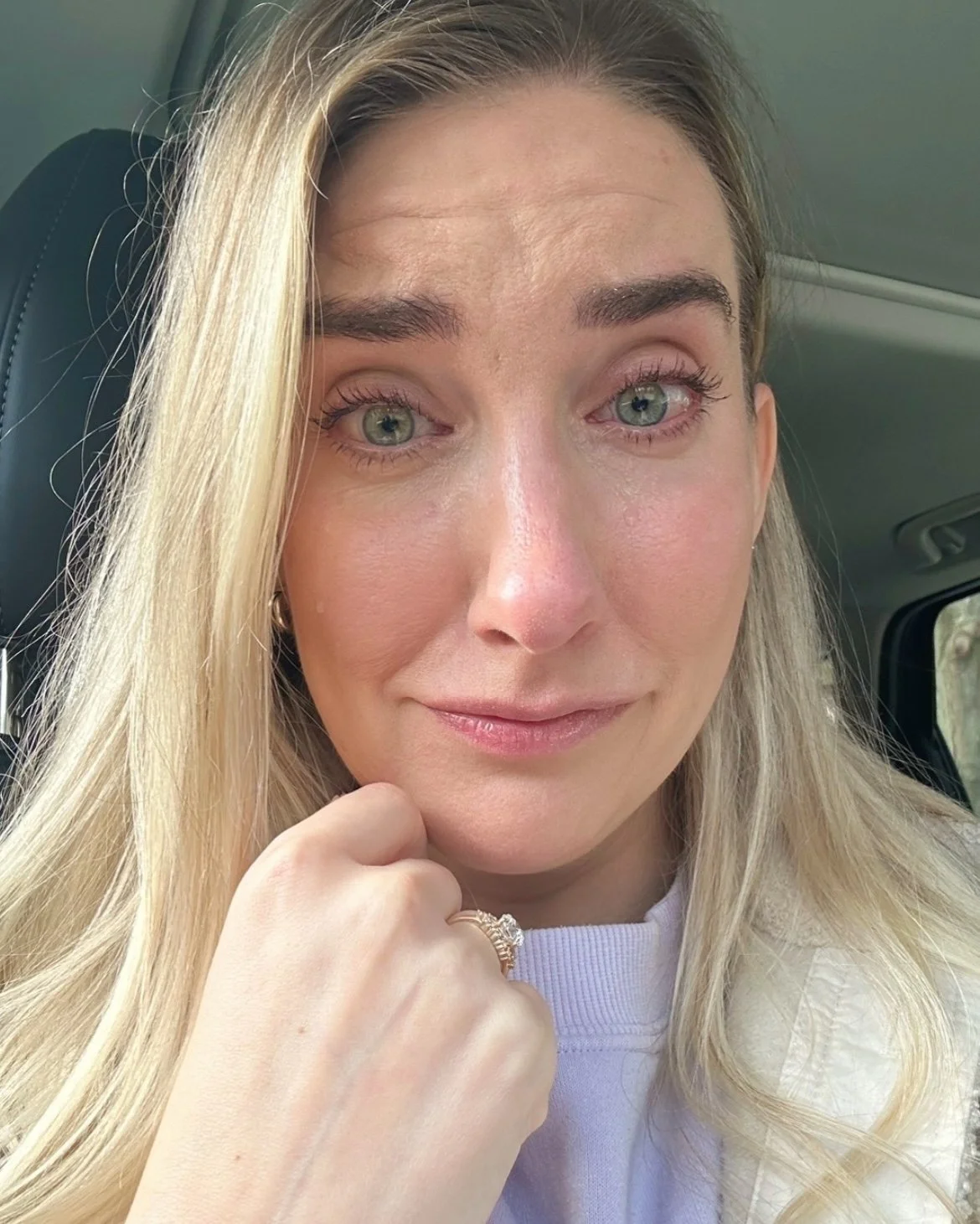
Instead of questioning the explanation, diagnosis and treatment I’d received, I questioned myself. Had I gone back to activity too quickly? Had I pushed too hard? Had I somehow done something wrong during my recovery? Was I not handling the pain well enough?
There was still never a conversation about endometriosis.
So for the next couple of years, I focused on managing my symptoms. I worked with naturopaths, osteopaths, dietitians, and multiple pelvic floor physiotherapists. Some things helped, and I am incredibly grateful for many of the practitioners who supported me but, the overall trajectory didn’t change and I was in constant pain.
Instead, I became increasingly good at adapting my life around my symptoms- I planned around my cycle, I changed how I exercised, my work capacity decreased and there was so much I stopped doing because I knew they would increase my pain. What I didn’t fully appreciate at the time but can see so clearly now was how much smaller my life was becoming.
Diagnosis- My body was telling the right story
By late summer 2023, things had become increasingly difficult to manage. The week before my wedding, my tailbone and rectal pain became so severe that sitting and lying down were difficult. I couldn’t stand fully upright and my cramping was intense. I knew I could not keep doing this but I also knew all my current gynecologist would say was “take birth control”
So, I did what so many of us are forced to do and started putting my own pieces together by digging into information and researching myself and listening to other people’s stories.
I have two master’s degrees, I work in healthcare and at some point it dawned on me that I was allowed to ask more questions. I didn’t have to accept one person’s opinion as the final word on what was happening in my body.
Once I learned more about endometriosis, everything I had been feeling made sense.
I began reading more about endometriosis, imaging, surgical techniques, and excision. I connected with clinicians who had much deeper expertise in endometriosis than I did. And, in that process, the question began to change.
Instead of continually wondering whether I was overreacting, I started wondering whether my body had actually been giving me completely accurate information all along.
After a lot (a lot) of self-advocacy, in December 2023, I had a specialized pelvic mapping ultrasound with a gynecologist experienced in identifying endometriosis. Within seconds of beginning the sonohysterogram, he could see extensive disease and diagnosed me with stage IV endometriosis.
The way I felt relief in that moment, I’ll never forget it. For years, I had been trying to reconcile what I felt in my body with what I had been told and finally, those two things matched.
The months that followed included more imaging, more appointments, more learning, and eventually travelling outside of Canada for specialized excision surgery in June 2024. That experience deserves its own post (consider it pending!).
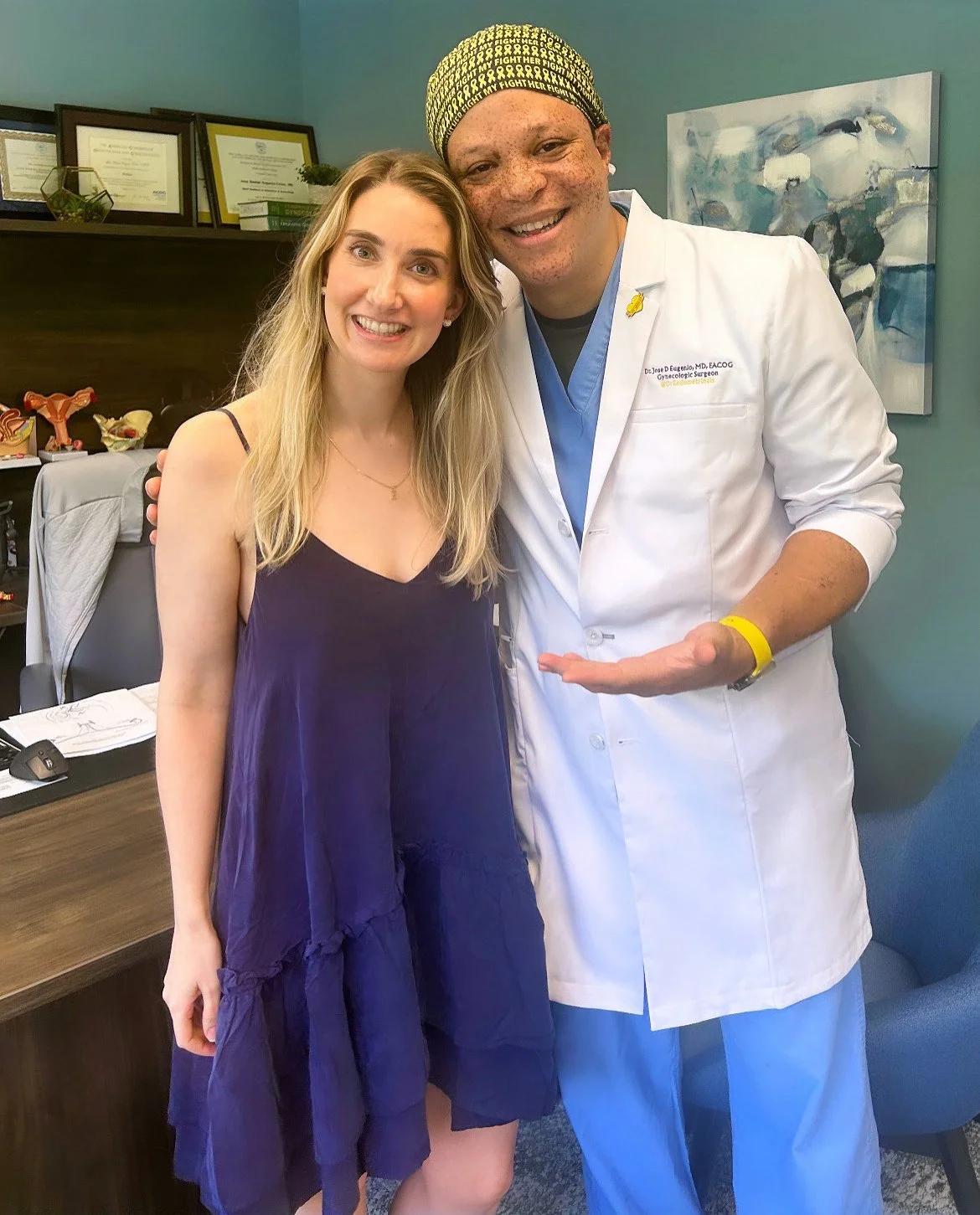
What I will say is that my excision surgery at the Center for Endometriosis Care in Atlanta, Georgia was a hugely important part of changing the trajectory I had been on. It was absolutely the right choice for me and my body. But recovery was much more of a process than I anticipated.
Surgical Recovery: I began learning how to listen to and trust my body again.
My surgeon told me to expect about six months of recovery. And maybe it is because I am a physiotherapist, but I remember thinking I knew better lol.
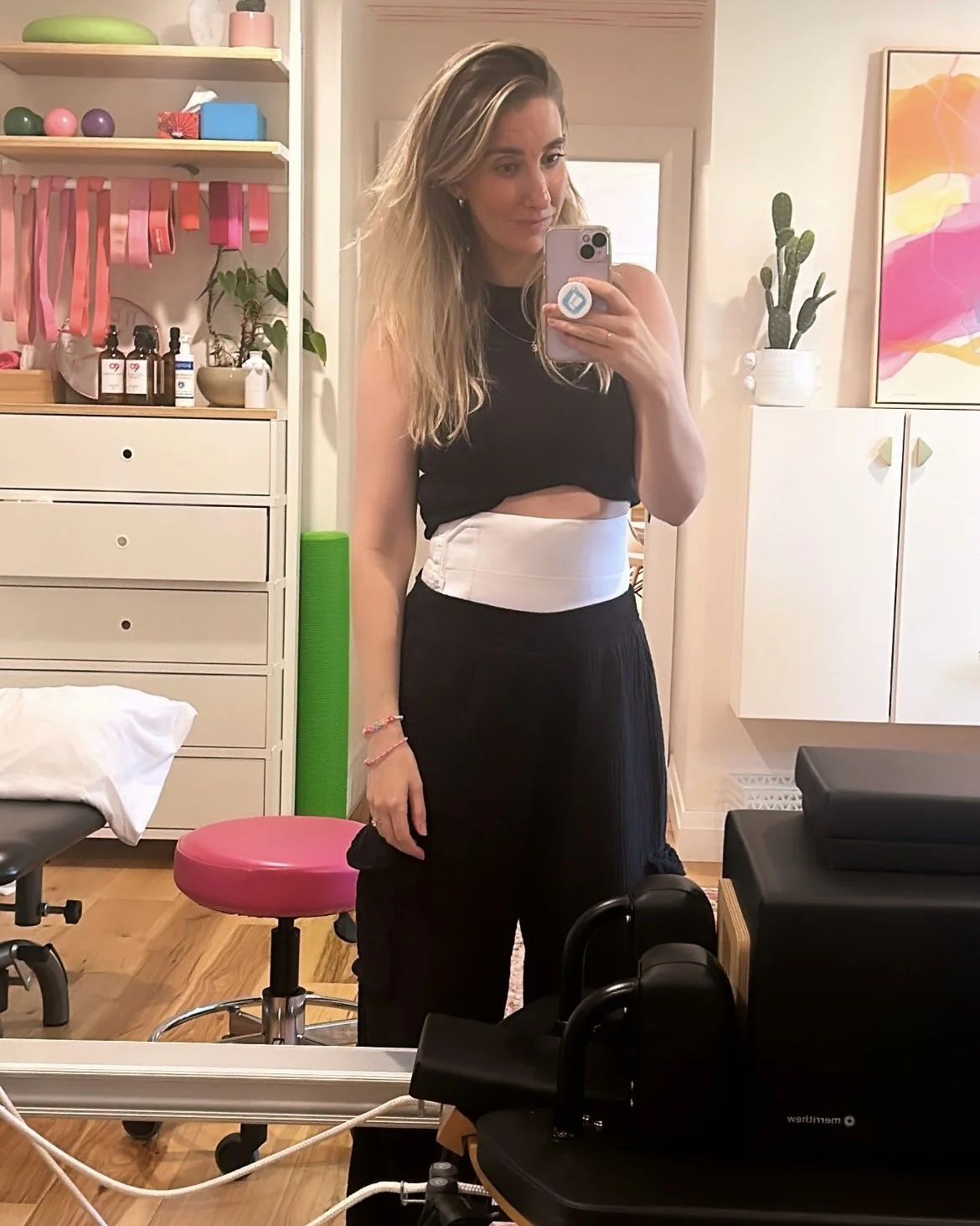
Turns out he was right- those first six months post-excision were more intense than I could have ever expected.
Realistically, it was closer to 12–18 months before I felt like I was truly back to doing things I had not been able to do in years- moving without pain, feeling unrestricted in the gym, trusting my body enough to do more without immediately wondering whether I would pay for it later.
Turns out he was right- those first six months post-excision were more intense than I could have ever expected.
Realistically, it was closer to 12–18 months before I felt like I was truly back to doing things I had not been able to do in years- moving without pain, feeling unrestricted in the gym, trusting my body enough to do more without immediately wondering whether I would pay for it later.
Recovery wasn’t just about allowing my body to heal, it was about slowly finding out what my body could hold again. I’ll share more about my rehab process post- excision in another full post!
Today: Shifting into a new way of being.
Healing, for me, has been about so much more than just the surgery itself. Though the lesions are gone, I continue to put a lot of time and care into supporting my body and my health.
I’m choosing foods that I know support me, I work almost daily on keeping my hips and pelvis strong and mobile, prioritize practices that help lower my stress and work within my capacity.
I am also beginning to navigate other pieces of my health, including mast cell activation and pelvic venous disease. So, no, everything is not perfect but my life today looks dramatically different than it did a few years ago in the best ways possible.
One of the most important things being that I’ve not missed out on an experience in the past two years because my body could not handle it.
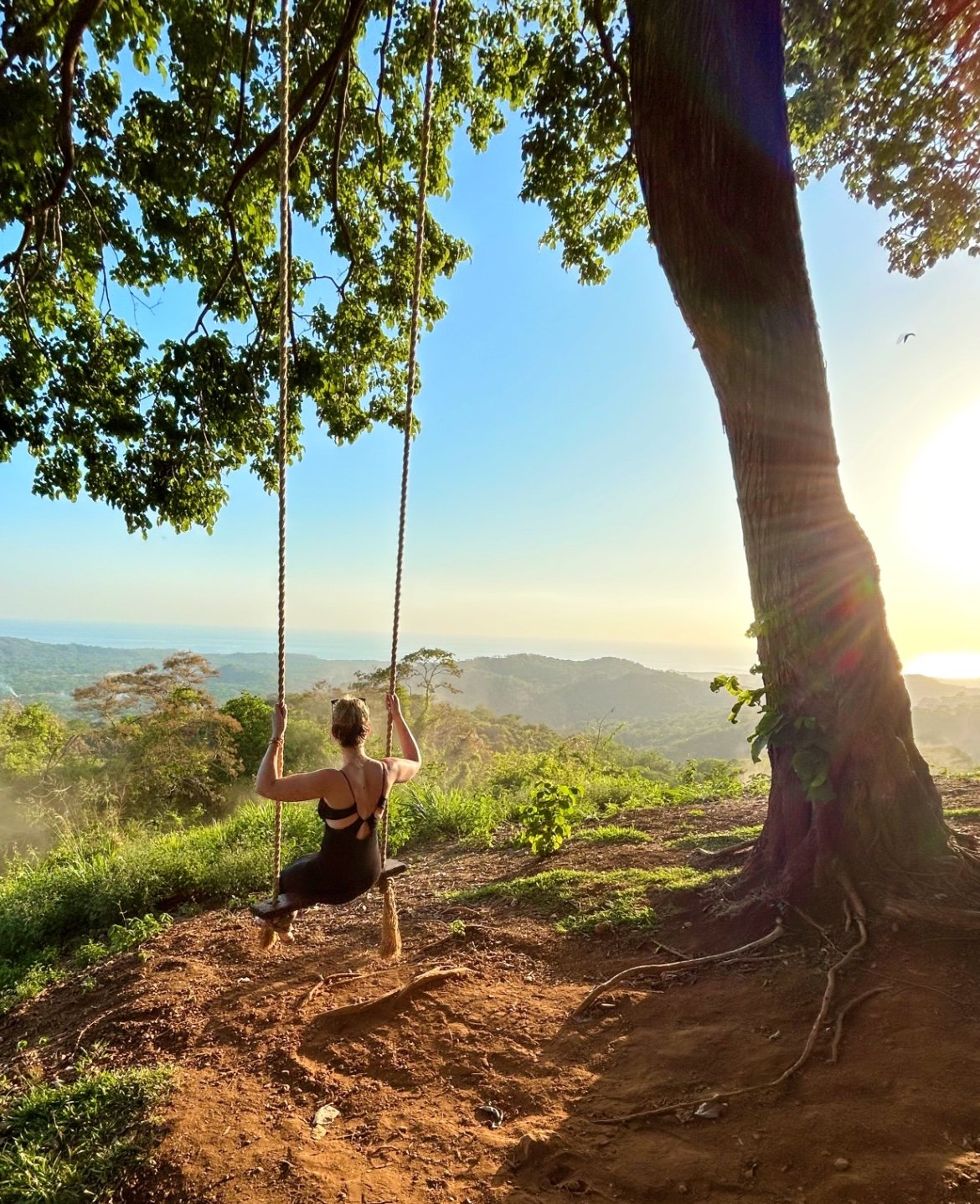
I’ve been able to live my life. And that might sound simplistic to those who don’t live with a chronic health condition but if you’ve ever had to calculate whether you can attend the dinner, take the trip, go for the walk, have sex, exercise, or make the plan based on what your symptoms might do, you get it. It’s everything.
What’s Next: Turning our stories into support
Not everything is perfect but there’s an enormous difference between organizing your life around what your body may not allow you to do and having enough capacity and trust to start saying yes to life again.
That’s a big part of why I want to share my story here.
I hope that in sharing my experience it gives you permission to stay curious when something does not make sense, to keep asking questions of providers, and to fully trust that what you’re experiencing deserves to be taken seriously.
I know that I’ve taken so much from hearing other people share their stories- not because their experiences perfectly matched mine, but because sometimes something in their story sparked something in me. It gave me permission to ask a different question, consider another possibility, trust what I was feeling and feel less alone in it all. There can be so much validation in hearing someone else put words to something you feel like you’ve been carrying alone.
I want this space to hold more than just my experience. If you have an endometriosis story you would like to share, I would love to hear from you! There’s room here for the messy stories, the hopeful ones, the stories without neat endings, and everything in between. Our experiences are different, but there’s real power in sharing them- connect with me HERE.
